The Wild Wall Challenge 2012



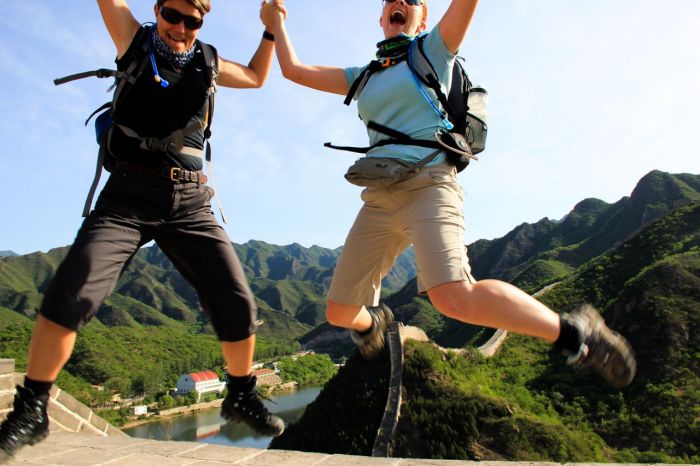
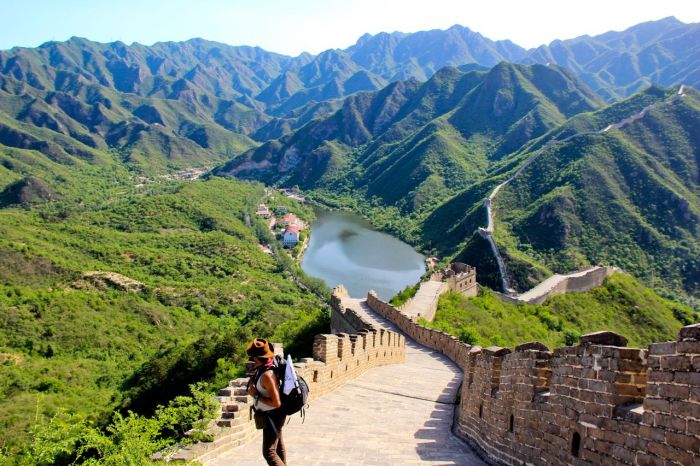
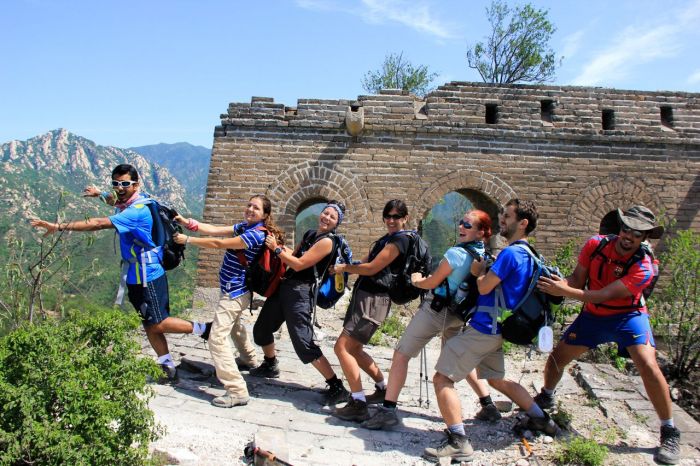
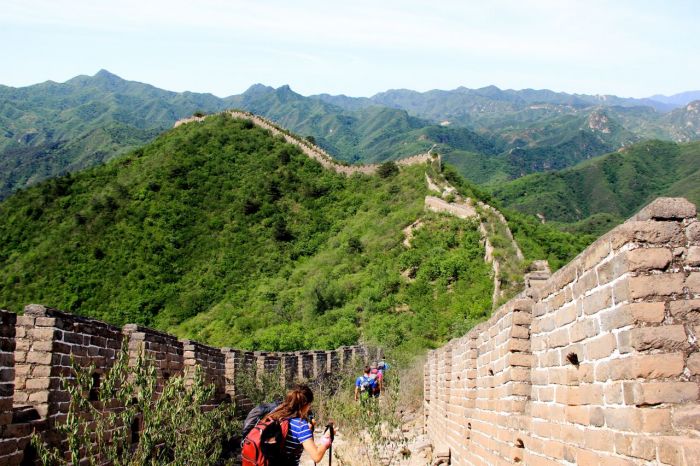
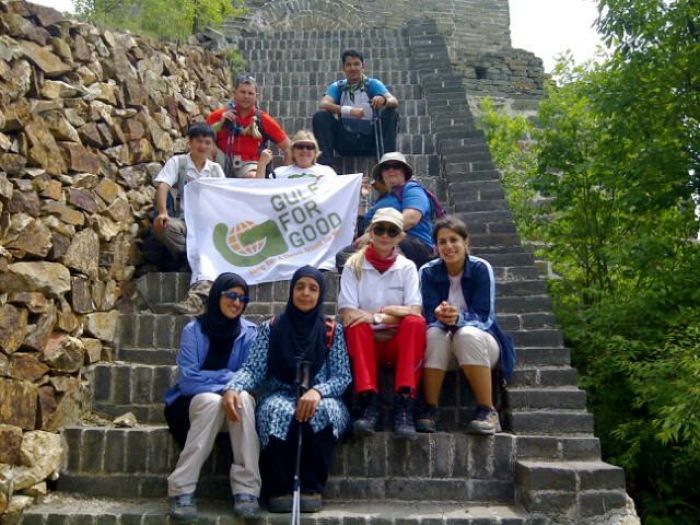
Wild Wall Challenge 2012
Beijing, China
18 – 26 May, 2012
Trekking
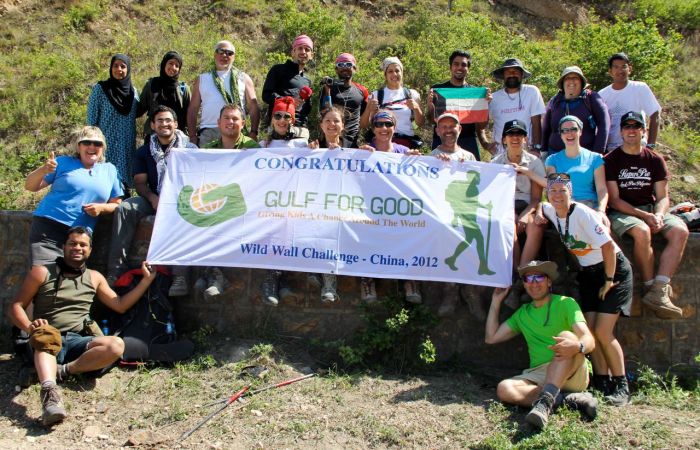
This was G4G’s 38th challenge.
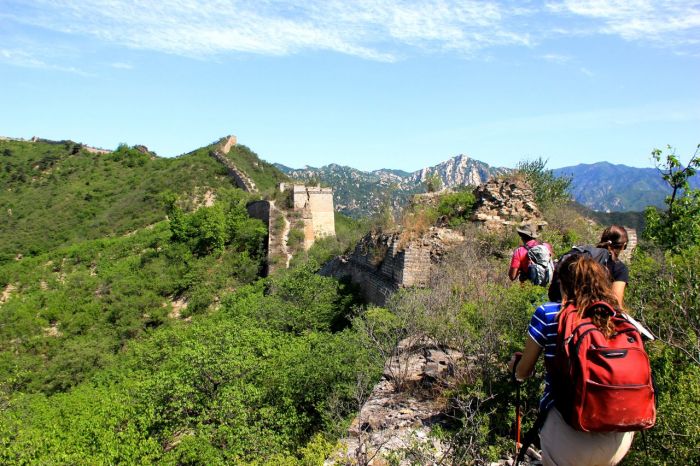
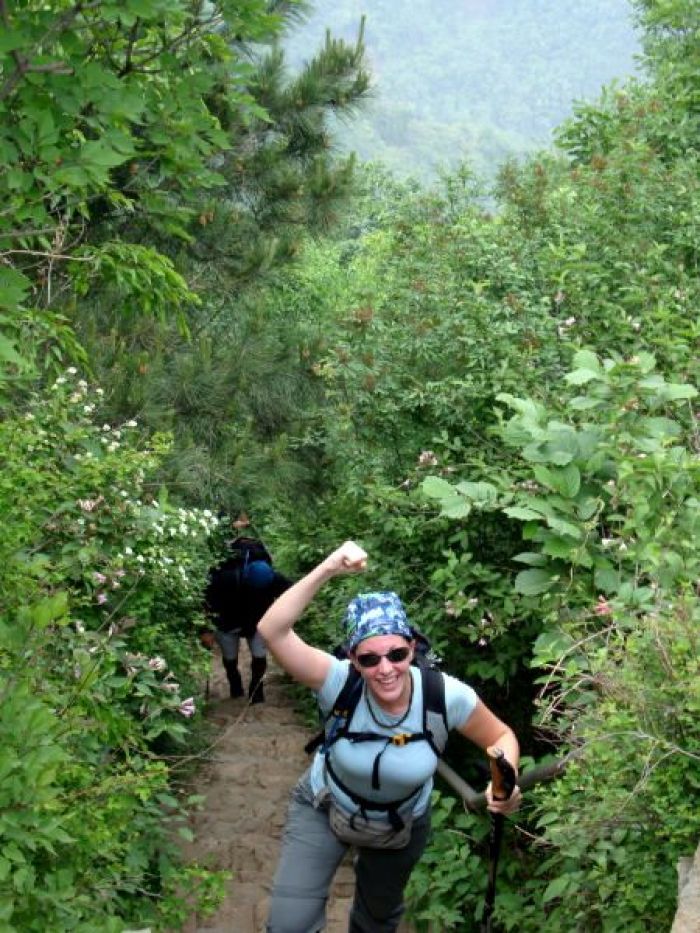
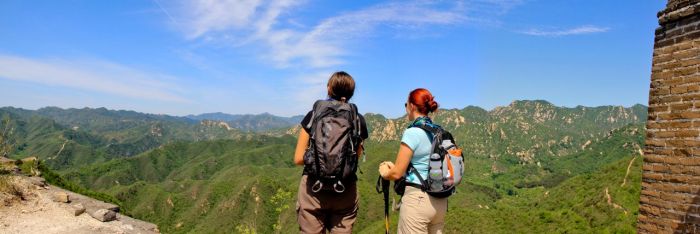
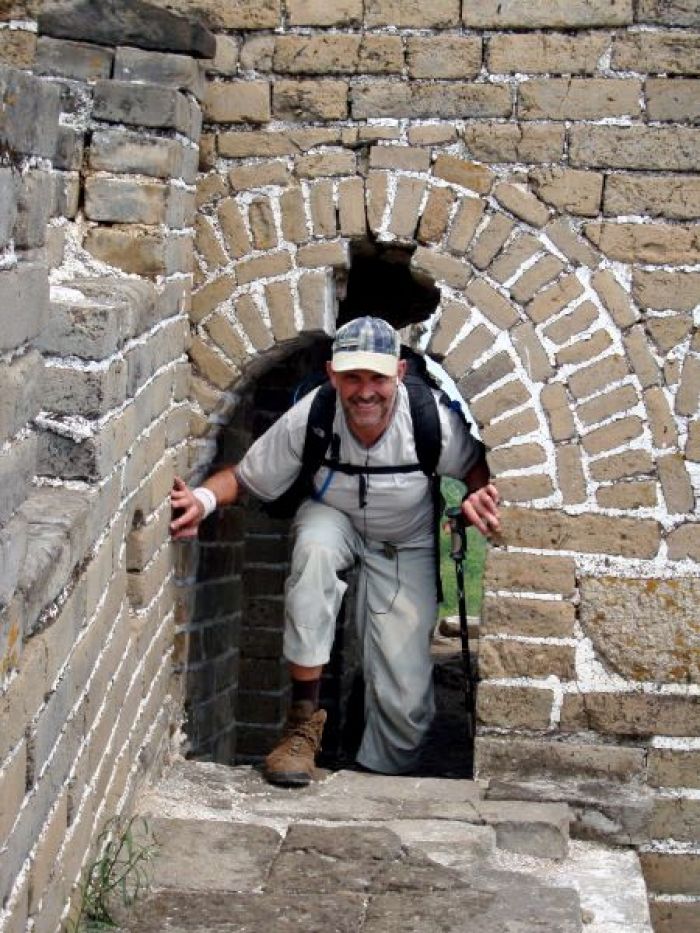
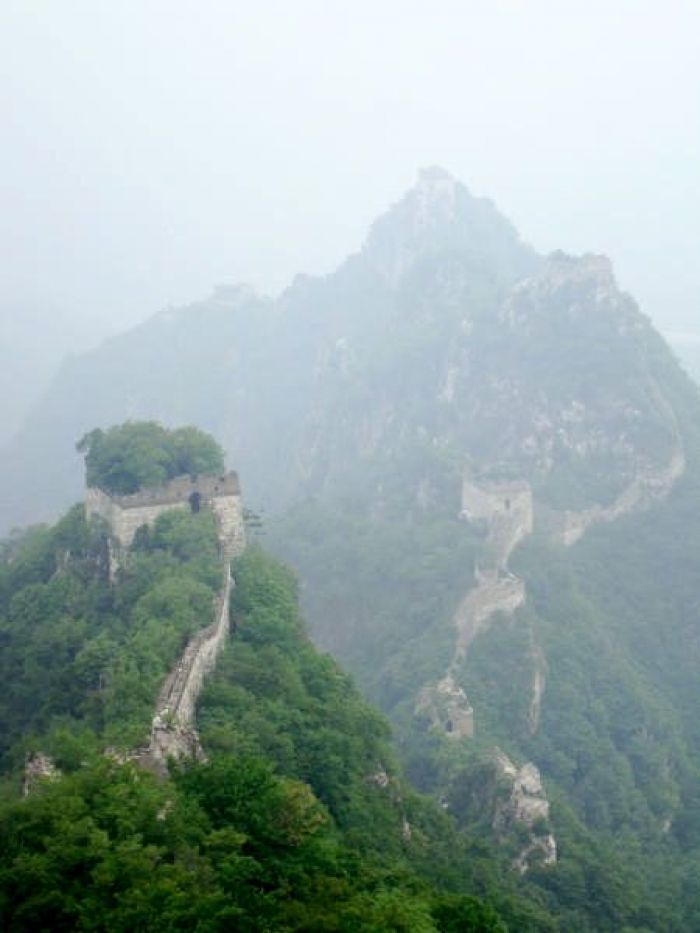
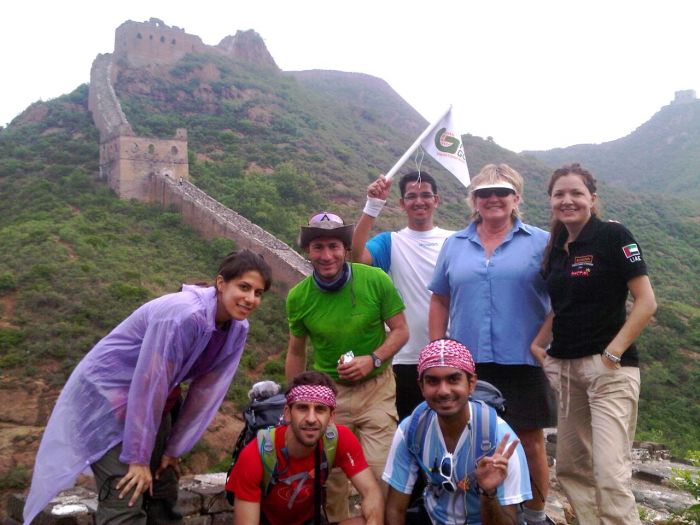
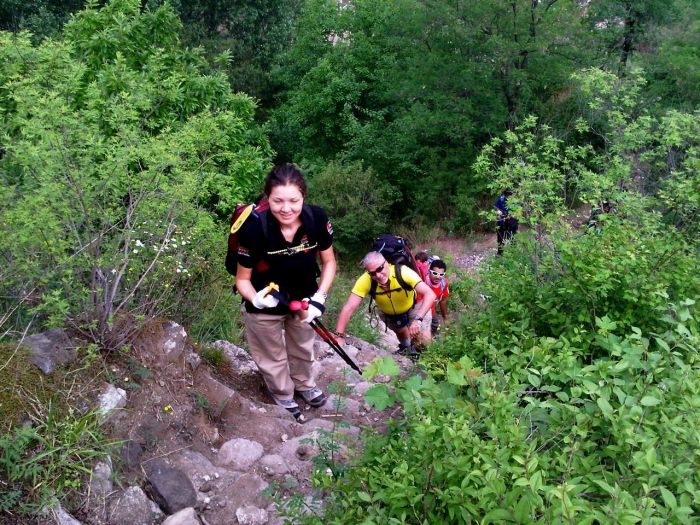
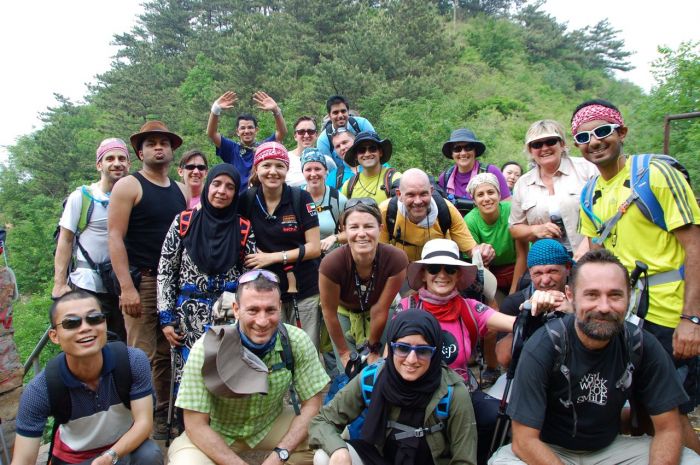
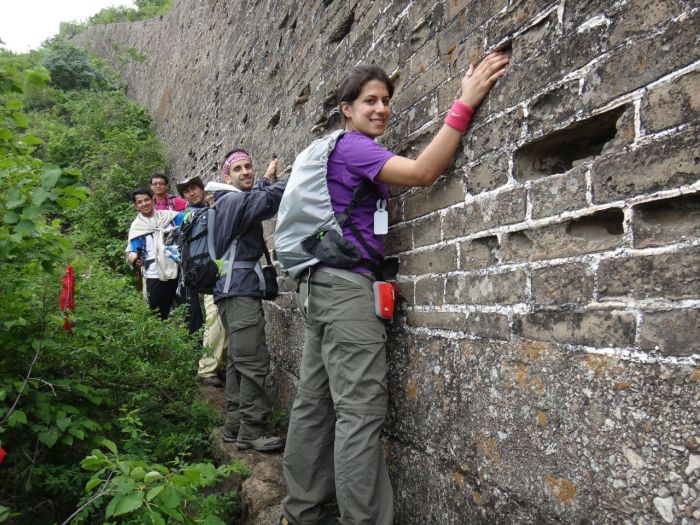
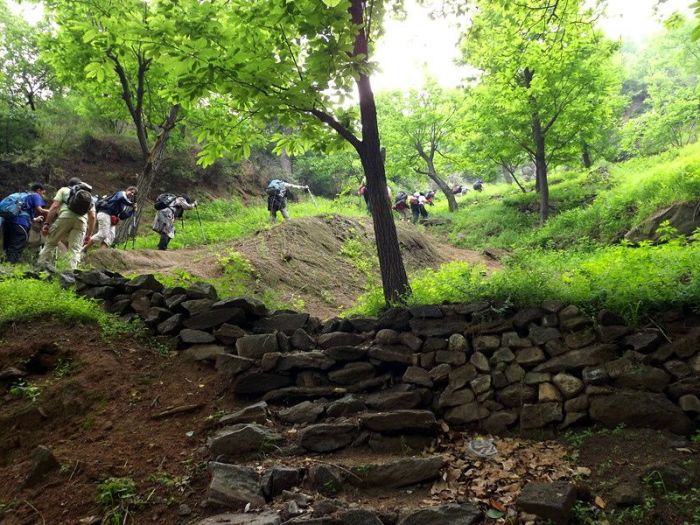
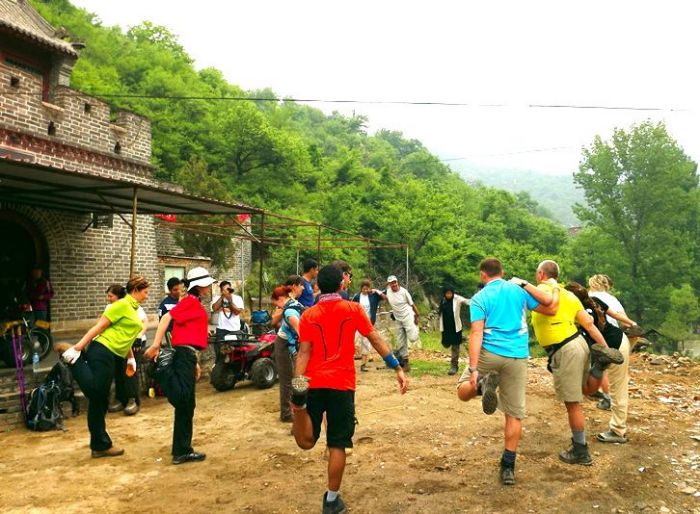
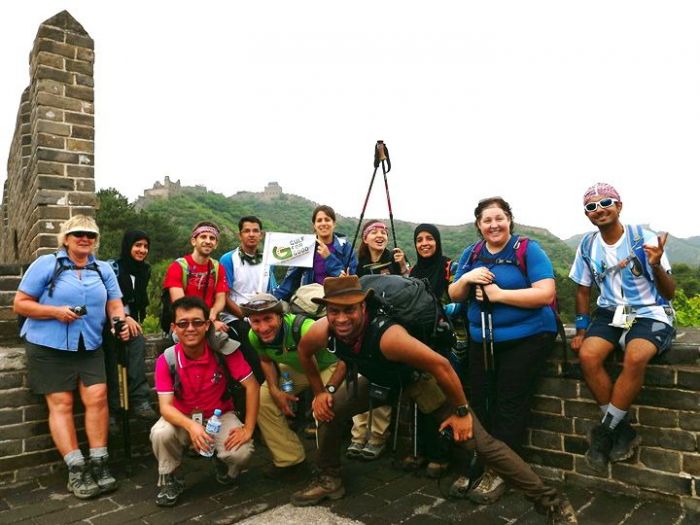
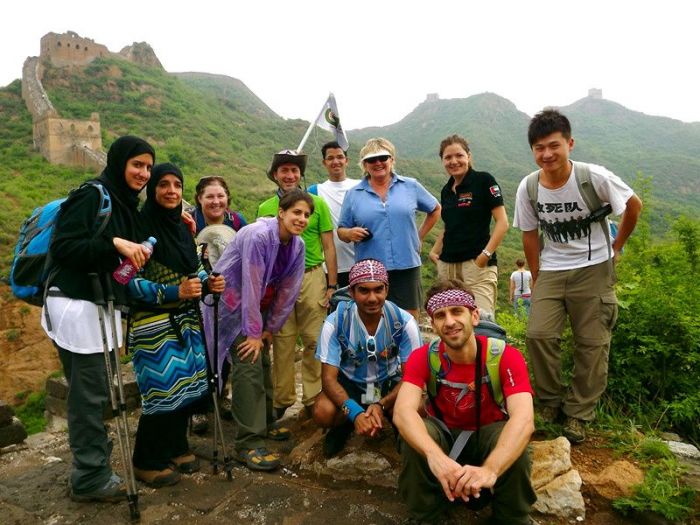
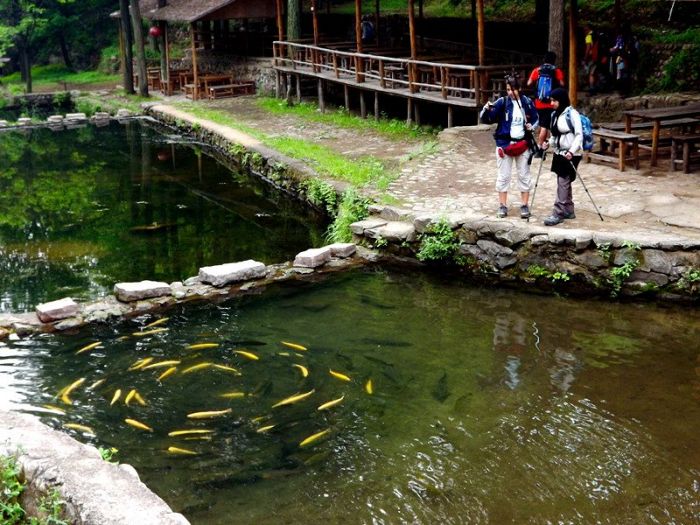
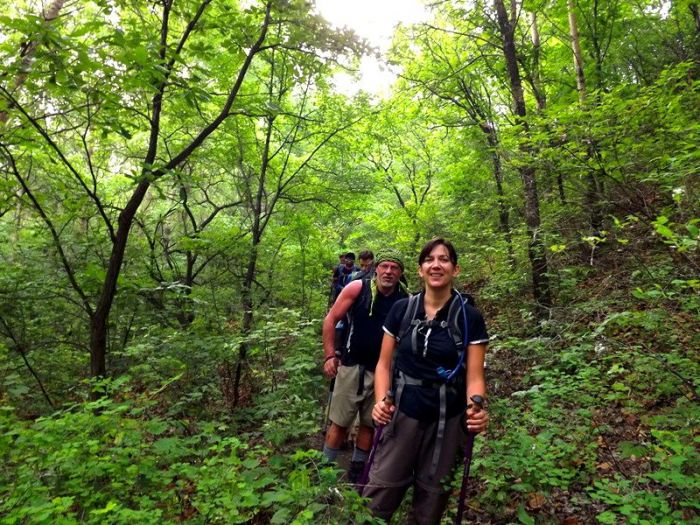
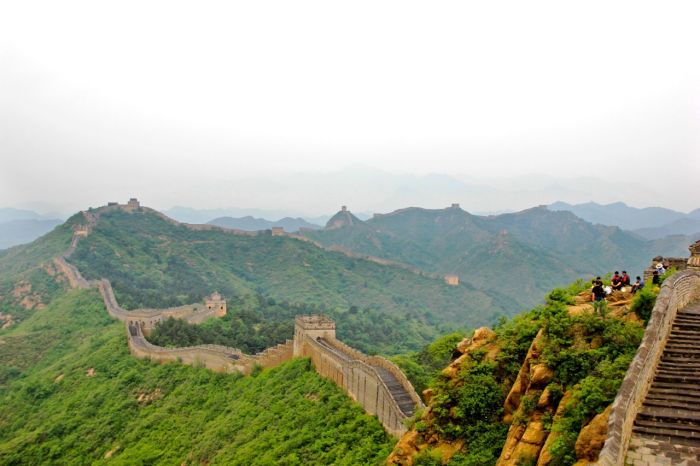
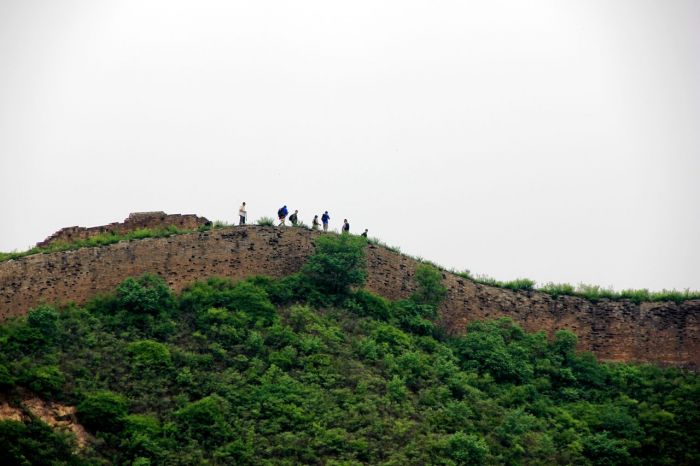
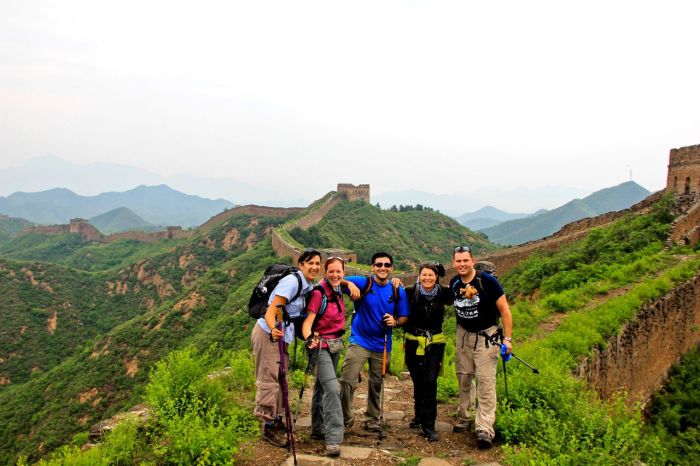
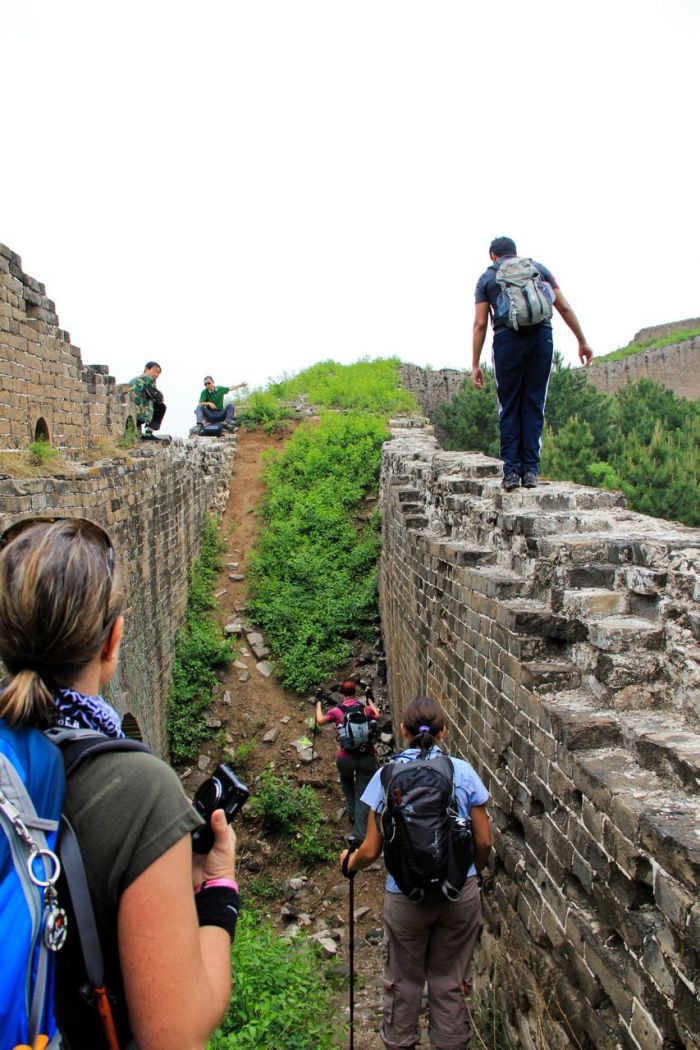
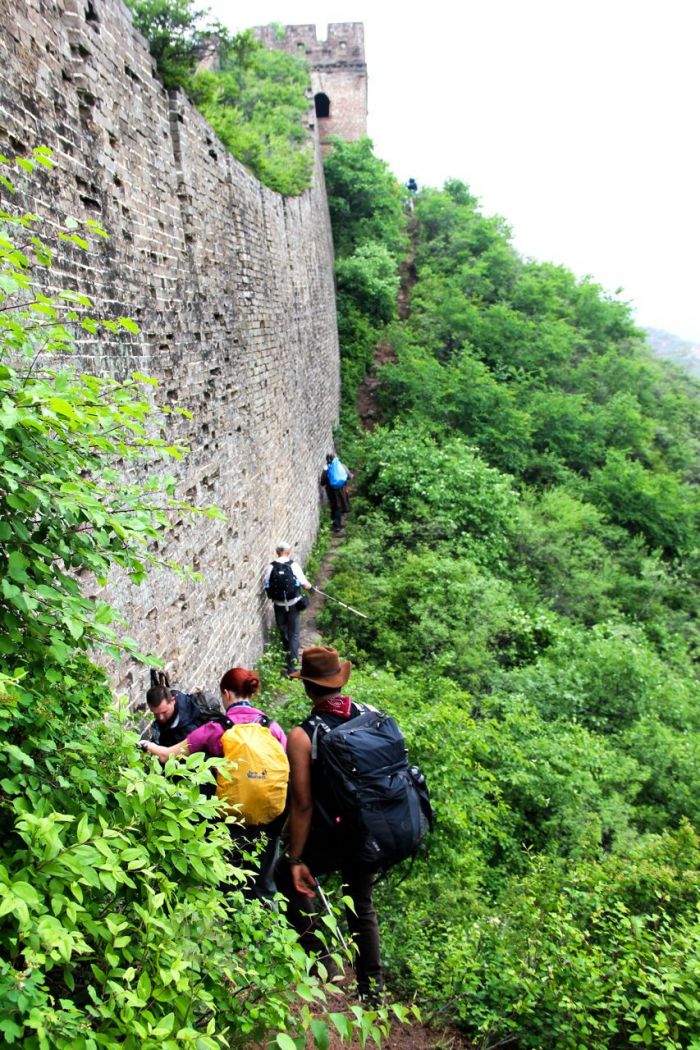
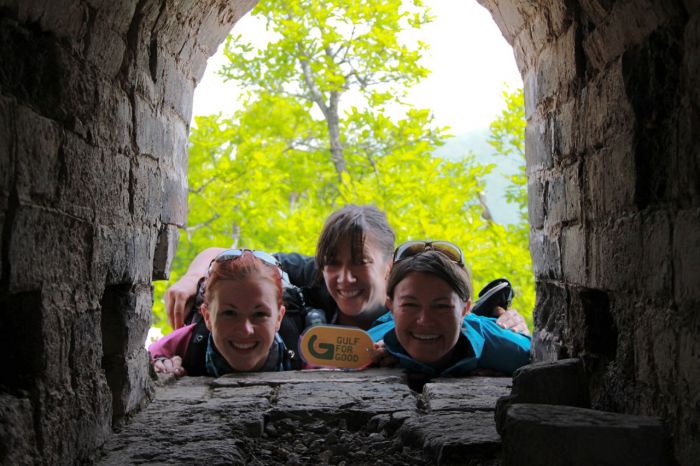
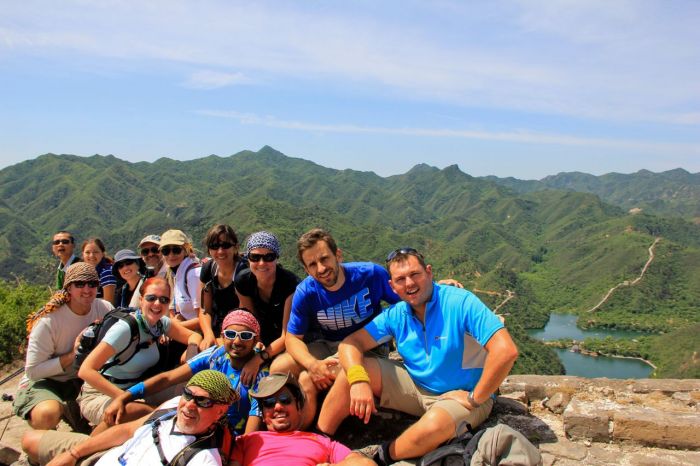
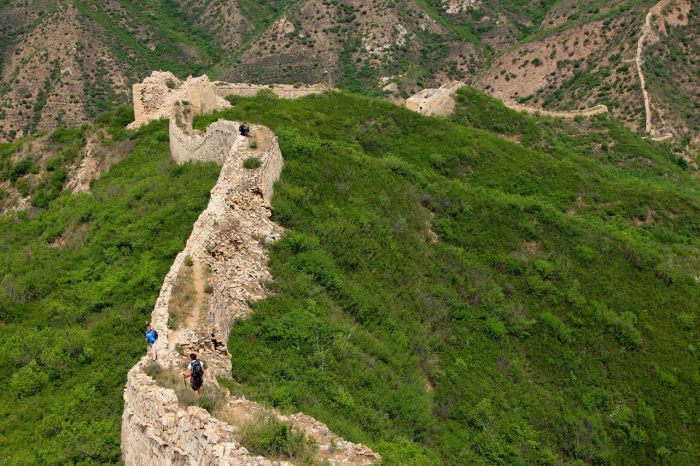
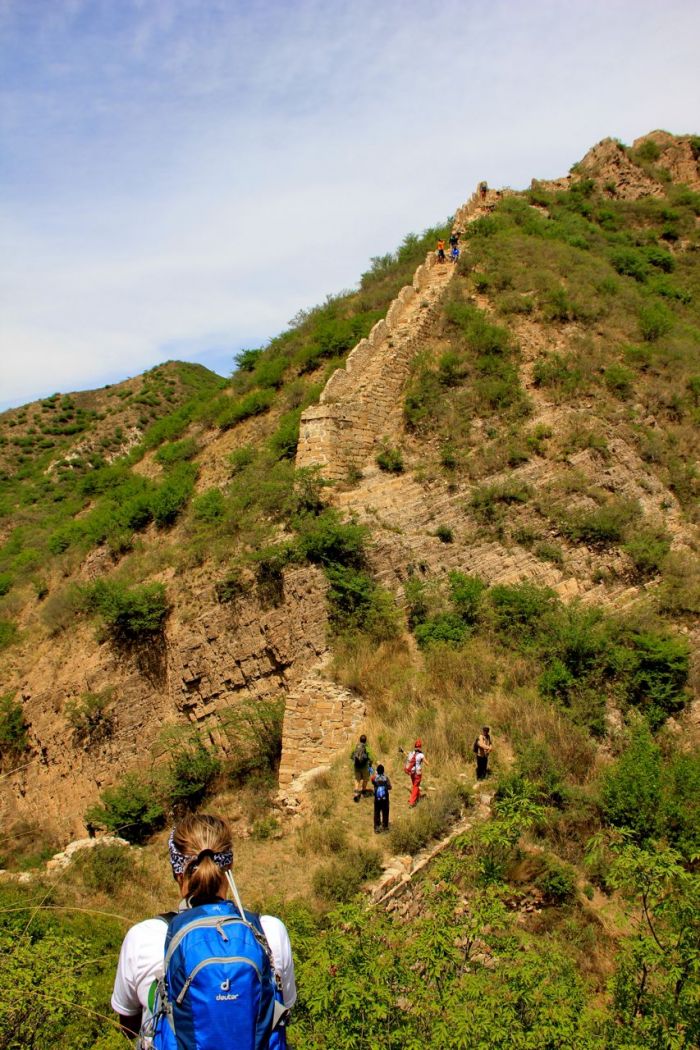
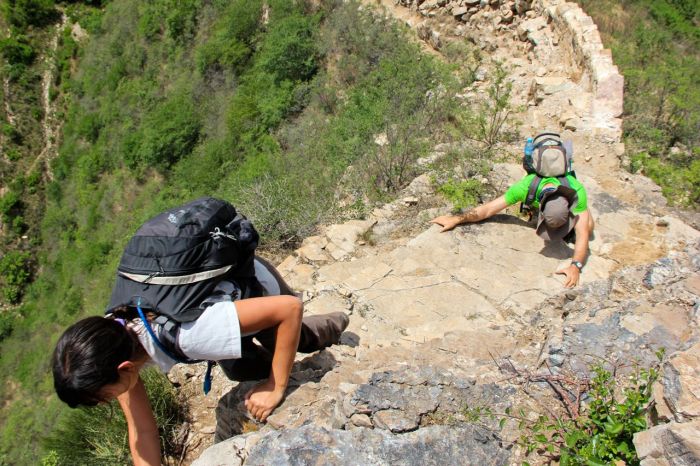
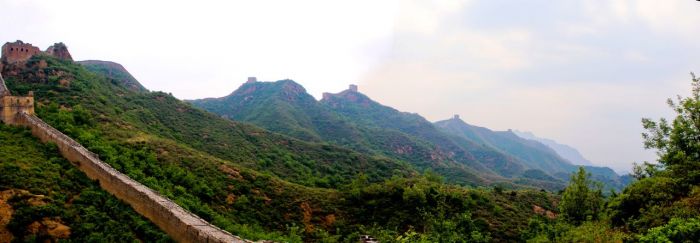
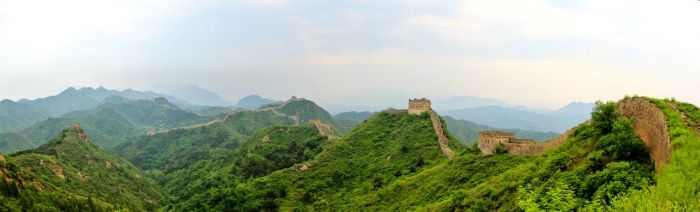
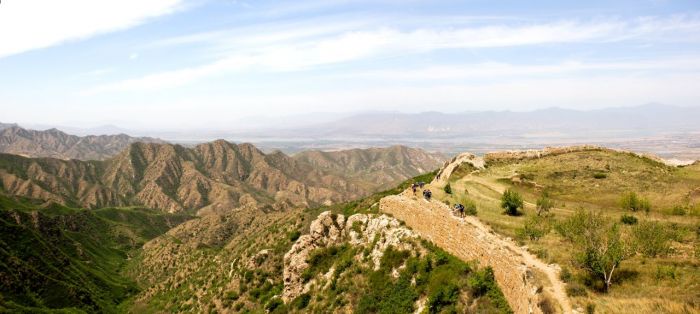
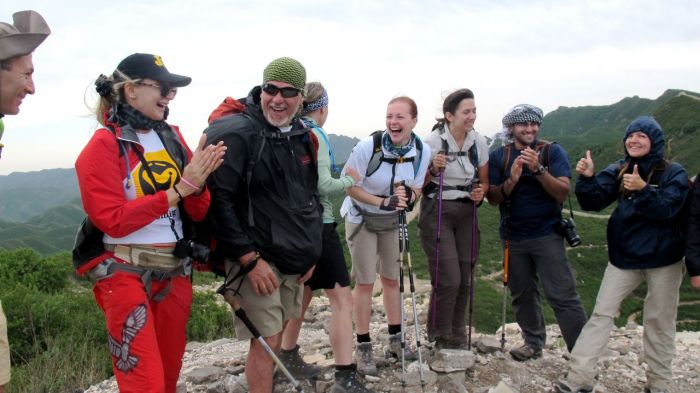
Up to 25 people joined us for 6 days of hiking along the most spectacular sections of the Great Wall of China. Passing through farmland, valleys, mountains, ancient tombs and quiet villages, the route involved gently undulating sections, but also some steep and rocky terrain, requiring scrambling to reach the most impressive parts of the wild wall. We stayed in small local hotels, as well as home-stays.
Level: This was a HARD test of our fitness, but achievable by anyone in good health, willing to train for a minimum of 3 months to build fitness and stamina. G4G runned a number of free training sessions before the challenge.
Number of participants: max 25
Registration Fee: AED 2,200/- (US$ 600)
Minimum Sponsorship: AED 18,000/- (US$4905)
(USD 1 = AED3.67)
Assistance provided in advance by G4G: Fund-raising ideas; training & fitness suggestions; safety & medical advice; clothing & equipment advice.
What G4G provided on the Challenge: Flights and transfers, hotels/home stays/motels (on a double-occupancy basis), food, guides, medical & vehicle back-up.
Essential to leave behind: Day-to-day problems.
Essential to bring: Determination & a sense of humour!
Closing date: Closed
Wild Wall Challenge 2012
Beijing, China
18 – 26 May, 2012
Trekking
Day 1: May 18, Friday
Dubai – Beijing
The group met in Dubai airport for the onward flight to Beijing (departing early hours of Friday morning i.e. just after midnight on Thu and arriving Friday afternoon in Beijing). Upon arrival, we were transferred to our hotel for our overnight accommodation.
Welcome dinner.
Overnight in a hotel, Beijing
Day 2: May 19, Saturday
Huangyaguan – Jinshanling
This was a long but interesting day. We started quite early morning, hiking from a small village at the bottom of the Wall.
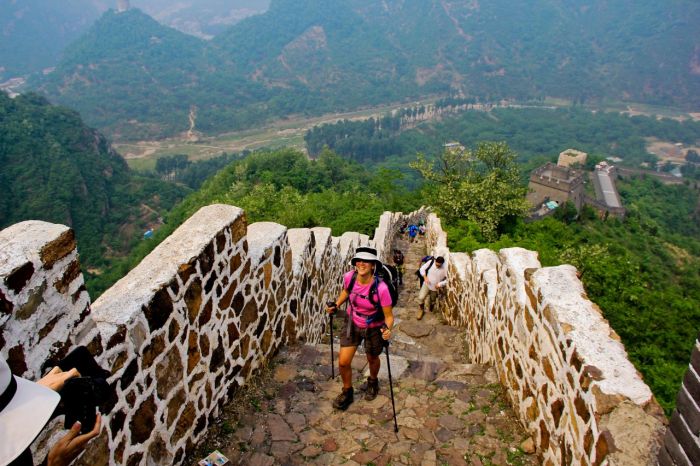
Our hike took us to the Huangyaguan Pass, which is situated in a beautiful valley in the heart of the Yanshan Mountains. From there, we continued our trek towards what appears to be a sheer cliff face. This was where we encountered “Heaven’s Ladder”, a series of over 200 renovated steps carved into the precipice, climbing steeply upwards toward a breath-taking section of the Great Wall.
Once we had caught our breath at the top, we took a short-cut down to a small village, where we had lunch at a local family’s home. After a rest, we took a short climb up the mountain behind the village to see the border stone of Beijing/Hebei/Tianjin. Then, drove 2.5-3 hours to Jinshanling Great Wall.
Overnight in a hotel, Jinshanling
Day 3: May 20, Sunday
Jinshanling – Gubeikou (visiting Wuhushan, time permitting)
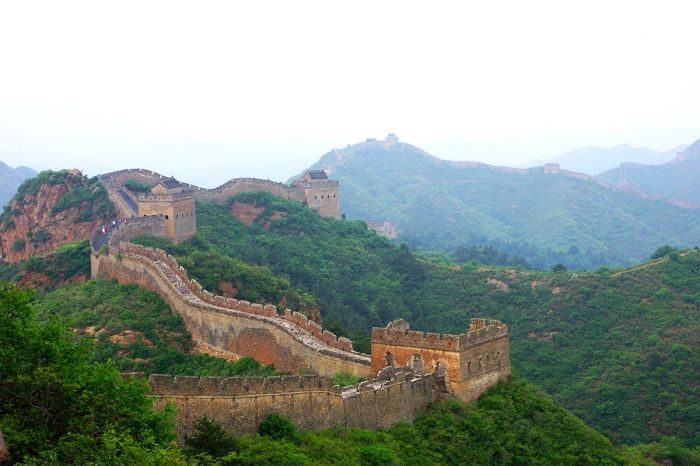
At the beginning of our day, the hiking route was relatively easy because the Jinshanling section of the Great Wall was well maintained and the terrain was gently undulating. From Jinshanling, we hiked eastward until we reached the merging point between Jinshanling and Simatai. Here, there is a very steep and broken part of Wall. However, the view from the top allowed us to see the whole section and a closer view of Simatai section, one of the most impressive and beautiful parts of Great Wall in Beijing.
We continued our hike westward toward Gubeikou. Here we had to follow a country road a short distance in order to make a detour around a restricted military area. We continued climbing the Wild Wall at Gubeikou. We also visited Wuhushan Great Wall which is nearby.
Overnight in a local hostel
Day 4: May 21, Monday
Mutinyu Great Wall – Zhengbeilou – Xizhazhi Village (at Jiankou)
After breakfast, it was a 10 minute walk to where we start hiking on the Wall. The first short part was steep and broken but became easier thereafter.
We hiked into the tourist part of Mutianyu Great Wall, which was well paved. Our hike went further into the Jiankou area of Great Wall, known to be one of the most beautiful parts of the Great Wall in Beijing. From there, we arrived at Zhengbeilou tower, where we had a breathtaking vista of the whole section. From there we headed down into the village.
Overnight in a home-stay in the village
Day 5: May 22, Tuesday
Nine-Eyes Tower – Beijing Knot in Jiankou Great Wall
Today’s hike was challenging, some parts of the Wall were really loose and extra care was needed, but we definitely needed our camera!
The Jiankou section of the Great Wall is known to be one of the most-beautiful parts of the “Wild” Wall near Beijing, regularly frequented by aspiring photographers.
This was a looping walk over steep and rocky terrain, with a lot of scrambling and climbing is required to arrive at the highest point on the hike, the impressive Nine-Eyes Tower which is unique. Because it was a clear day in this spot in the heart of the mountains, it was possible to see the towers of Beijing Knot and the Mutianyu Great Wall, with glimpses of other sections of the Great Wall that follow nearby mountain ridges.
We continued to hike along the mountain range until we arrived at the Beijing knot before driving to the Huanghuacheng area.
Overnight in the Huanghuacheng area at a local family’s home
Day 6: May 23, Wednesday
Huanghuacheng – Xishuiyu Great Wall
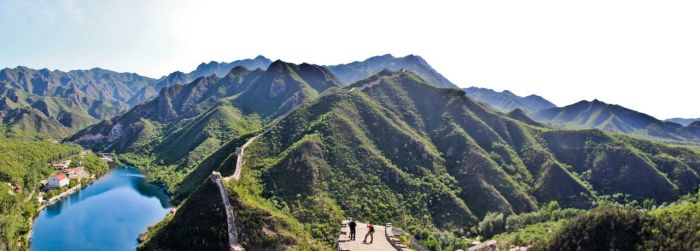
After a short visit around the dam on the Huanghuacheng Reservoir, we started our hike westward to Xishuiyu. Although the climb was steep, there was a good trail alongside the Wall and it took not too long to get to the watch tower on the cliff, from which we could look back to the moon-shaped reservoir far below.
After a further short hike, we reached the highest point in this area, on the pinnacle of which there is a broken watch tower. From this vantage point, we had a panoramic view of the whole valley. The Wall dived steeply downwards into the valley.
A gate is located at the bottom an opening in the wall, which connects the Zhuangdaokou village on the inside with the still well preserved Yaoziyu Castle (built during the Ming Dynasty) on the outside. Over the top of the passageway is another watch tower, where we rested for a short while before continuing on. On the inside of the gate, we noticed three large characters carved in the stone, indicating the name of the village – ZhuangDaoKou. On the outside it is written the name of the passageway – “ZhenNu Pass” – meaning “Defeat to Invaders”, a warning to potential attackers in ancient times.
From the valley, we hiked westward again climbing upwards along the broken Wall to our lunch spot, a tall cliff overlooking Xishuiyu Lake. From here, the view is amazing! You can see the broken Wall running directly into the lake and beyond it the endless mountain range. Unfortunately, from here on, the Wall is really too broken to traverse safely, so we instead followed a pleasant mountain trail downwards to the lake at the bottom.
We took a short boat ride on the lake where we could see the cliff of Great Wall before our Onward drive to Yanqing County.
Overnight in a hotel
Day 7: May 24, Thursday
Dayinpan Great Wall – Beijing
This morning, we had a short transfer to the entrance of the wild wall on the border of the Yanqing County of Beijing and Huailai County of the Hebei and the beginning of our trek.
Today, we could enjoy the beauty and tranquillity of this idyllic spot in the absence of other tourists. This section of the wall was built in 1520 during the Ming Dynasty. We had time to take in the intriguing rock formations of the wall before trekking to view a huge dilapidated water gate.
We stopped for lunch before continuing in the afternoon, trekking through canyons and across fields, gradually climbing until we had the wall on one side and the ancient village of Dayingpan on the other. Here, we had the chance to meet some of the local villagers and take in traditional life before trekking back to our awaiting coach.
Drove back to Beijing for a farewell dinner of ‘Peking Duck’ at a courtyard restaurant.
Overnight in hotel, Beijing
Day 8: May 25, Friday
Beijing
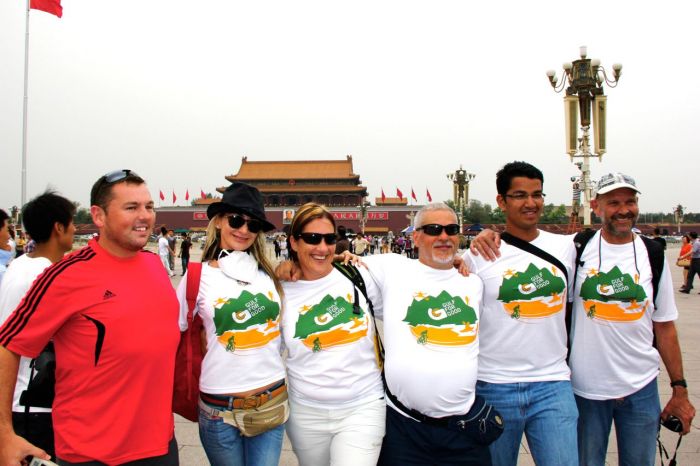
We planned our charity visit on this day. Later, there was a tour of the Forbidden City and Tiananmen Square with a Chinese meal included. Late evening we transferred to the airport for the flight home.
Notes: This itinerary may change due to unforeseen changes of country regulations, unusual weather patterns, wildlife movements, group strength, etc. We will endeavour to keep to the planned itinerary, but cannot be held responsible for last minute changes that might occur. In all such circumstances, the group leader will have the final say.
This itinerary is tough and you may encounter poor weather. The challenge is not for the unfit or the faint-hearted.
Most of our challenges have occasional exposure to sheer drops. Therefore, should you suffer from vertigo, you should discuss the itinerary with a member of our team.
Climate
For the month of May, temperatures in Beijing will range on average from 27ºC in the day, to 13ºC at night, when a warm jersey might be needed. Spring in Beijing is typically, windy, dry, and dusty. Little rainfall is expected
Health
The most important and simple thing you can do to prevent illness is to be properly immunized. Our medical adviser recommends that you should be immunized against Cholera, Diphtheria, HepatitisA, Hepatitis,Rabies, Tetanus, Tick-borne encephalitis, Tuberculosis, Pneumonic Plague, and Typhoid. Ideally, all necessary immunizations should be taken 6-8 weeks before travel to allow time for the shots to take effect. Contact your GP for more information.
In Dubai, these are available at the Travel Clinic at Al Mankhool Health Center in Bur Dubai: 04 502 1200 (walk in clinic open Sunday – Thursday from 7:30am – 2:00pm. CASH ONLY) Clinic Medicentres International in Motor City: 04-360-8866 & Prime Medical Center – 04-349-4545.
Dr. Kersten Elliot, a chiropodist/podiatrist from Dubai Physiotherapy and Family medicine Clinic, 04 349 6333, is happy to provide a 50% discount on consultation fees – please take your G4G Registration Cover Letter as proof that you are a registered challenger.
Once there, several more precautions should be taken to ward off Malaria, Dengue Fever, HFMD, and Schistosomiasis. Avoid mosquito bites and wading in fresh water. Proper hygiene should be practiced, such as regular hand washing and the use of hand cleaning gel prior to eating in order to prevent passage of viruses and germs.
Some visitors to Beijing develop a Beijing Cough (and sore throat) in their first few days in the city. This is because of the combination of pollution and dry cold air, and invariably clears up quickly. As always, seek medical care if you feel sick.
The tap water in China should not be drunk.
Training
The challenge is rated as HARD, so good fitness is required – start training as early as possible. Start a gym or training programme as early as possible. Most gyms will be happy to assist you in achieving your fitness (and some may even help you fundraise!). We can also supply names and numbers of personal trainers.
Keep hydrated by drinking water regularly
Visa information
Check if your passport is valid for at least 6 months prior to travel. You should also have a couple of clean pages (no stamps!) left in the passport.
Contact your local Chinese Embassy/Consulate in advance for further visa information. The cost of the visa varies according to nationality. For further information, click on the link below:
http://dubai.chineseconsulate.org/eng/
Find the map of the embassy here:
http://dubai.chineseconsulate.org/eng/zlgxx/t178705.htm
Location: Villa No. 14, Street 7a, Community 357, Umm Al Sheif Road, Safa 2 Area, Dubai
Telephone number: 04 394 4733
Travel & medical insurance
G4G can arrange travel and medical insurance for all participants traveling from abroad. You will be required to pay your insurance premium in addition to your sponsorship target. Further details about the premium, type of cover, insurance terms and conditions, etc. are available on request (Aed 20 per day). If you have your own Insurance cover, please ensure that you are covered for activities such as trekking in China and provide us a copy of the policy.
Sponsorship
A comprehensive sponsorship booklet is included in your challenge pack. There are many different sorts of activities you could consider to help build support for your challenge amongst family, friends and colleagues. Seeking sponsorship in this way increases your profile, creates more goodwill and raises awareness of the work of the nominated charities. The G4G office can give you names of previous challengers who will be happy to offer advice and maybe even assistance. Be aware that there are rules and regulations controlling public fundraising in the UAE – if you have any questions, contact our office.
Safety
We take your safety very seriously. It is our first and never forgotten priority. Please listen to your guides and follow their instructions.
Respect for the environment
We maintain a firm commitment to conserve the areas we work in and ask you to do the same. Take only photographs and leave behind only footprints!
A typical day
Days vary according to terrain and distance. However, you can expect a normal day to start at 6-6.30 a.m with breakfast served around 7.00 a.m, and departure at 8.00. Bags are to be packed and left on the luggage truck before departure. In the morning there is usually a 3 to 4 hour trek before the stop for lunch, followed by 2-3 hours in the afternoon. On arrival at the hotel or campsite there is time to relax, socialize or explore the area before dinner. Time for sightseeing has been incorporated into the itinerary.
Special dietary requirements can be catered for with prior notice. Bottled water is available throughout trip.
Mental preparation
It is well within you to complete this challenge. Remain in a positive state of mind, without being overly confident. This mental stamina will make the more difficult parts easier to complete. Always focus on your goal and do not get involved in inconsequential matters that will rob you of your concentration. Being physically prepared assists a great deal in being mentally confident for the physical part of the Challenge, so train hard!
Miscellaneous information
Beijing is four (4) hours ahead of the U.A.E.
Take US Dollars to change.
The Exchange rate(s) as of Nov 2011 are as follows:
1.00 USD = 6.348 CNY or 1 CNY = 0.157 USD
The conversion rate into Dirhams is as follows:
1.00 AED = 1.728 CNY or 1 CNY = 0.578 AED
For reference:
Half a litre of bottled water is 2 CNY, or 0.31$
A can of coke is 1.8 CNY, 0.27$
Electricity in Beijing is 220 Volts, alternating at 50 cycles per second.
Outlets in Beijing generally accept 3 types of plugs:
TYPE A: Shaped like 2 parallel flat blades.
TYPE C: Shaped like 2 parallel round rods.
TYPE I: Shaped like 3 pin flat blades.
If your appliances’ plugs have a different shape, you may need a plug adapter.
Good Reference Books are the Lonely Planet Guides to Beijing and the China edition of the Lonely Planet publications, available in Dubai from Magrudy’s.
Personal equipment
Travel light! Try to limit the weight of your luggage to less than 15 kgs. All bags are to be clearly marked and lockable. Do not take or wear any valuables on the trip, it is best to leave them at home. Light clothing is recommended for hiking and it should dry quickly, thus wicking fabrics are preferable to cotton. Be aware that the nights and early mornings can be cool.
Please refer to the Kit page. All the items required for the trip can be purchased from major sports shops & camping suppliers.
How to pack
Your clothes and equipment should fall into two categories:
What you are going to wear and need on the Challenge: This should fit into a single soft-sided bag and will be transported each day from site to site. For your convenience, G4G has custom made duffle bags that are waterproof and easy for transportation for Aed 100 a piece.
What you are going to carry in your daypack:
It is important that you pack carefully the smaller Day Pack that you carry yourself. Anything you need during the course
Of the day should be in your Day Pack, including, most importantly, something warm and something waterproof.
Sun glasses / Moisturizing/Sun screen lotion / Prescribed medicines/ Camera and spare batteries / Binoculars-optional / Notebook & Pencil / Water bottle and Camelback bladder / Snacks / Permits, if any / Toilet paper / rain gear / Energy powder mix / Warm layer / Extra shirt*
* It’s advisable to carry an extra T-shirt in your daypack. You may feel cold after sweating and need to change your shirt or add a layer to prevent chills.
***Also, make sure to carry a copy of your travel documents, especially a copy of your passport, as All foreign nationals over the age of 16 must carry their passport at all times. Police may carry out random checks, especially at times of increased security e.g. around major sporting or political events.***
Thoughts and ideas:
Be kind to your feet! If you plan on purchasing new shoes, do so well ahead of time and allow yourself time to break them in. Bring some extra moleskin or Second Skin (Compeed) for fast foot treatment, plus zinc oxide tape, and watch out for blisters.
Cotton is wonderful in warm weather, but once it becomes wet, it drains your body heat. Plan on bringing at least one synthetic shirt that dries quickly. Suggestions are Capilene, M.T.S. and Thermax.
Stuff sacks are great for sorting your gear. Use different sizes and colors to differentiate the contents. Plastic bags are also helpful to separate clean and dirty clothing, as well as giving an extra layer of waterproofing inside your bags.
If you normally wear contacts, bring a pair of glasses in case of eye irritation from dust.
Some of the trails can be rutted and dusty. It is a good idea to pack camera equipment and binoculars in plastic bags to protect them from the dust. This is in addition to their normal cases. Also bring some lens cleaning material.
Laundry is difficult on this trip but you can hand-wash a few quick-drying items.
Make 1 copy of your passport and take it with you; we will have a second copy in our files.
The following notes are from the local Ground Handler who will be leading the trek:
1. Food and drinks
On the trek, the ground handlers will serve you wholesome food for replenishment and to meet your energy requirements. Special dietary requirements can be provided on request. Food will be prepared in the hotels where you will be staying over night. Bottled drinking water will be available throughout the challenge.
2. Your staff on the trip
Will consist of one English-speaking Guide/Escort who will be wholly responsible for the execution of the trip once it hits the trail. There will also be a professional guide with Advanced Wilderness First Aid certification.
3. We (the ground handler) will provide
Hotel, Guesthouse and Home stay accommodations, all meals, water and internal transfers. All your gear will be transported each day to the night stop, except daily necessities carried in your own bag pack.
4. General matters
Your personal belongings will be looked after by our staff, so please help them by not leaving them unattended in villages and other public places.
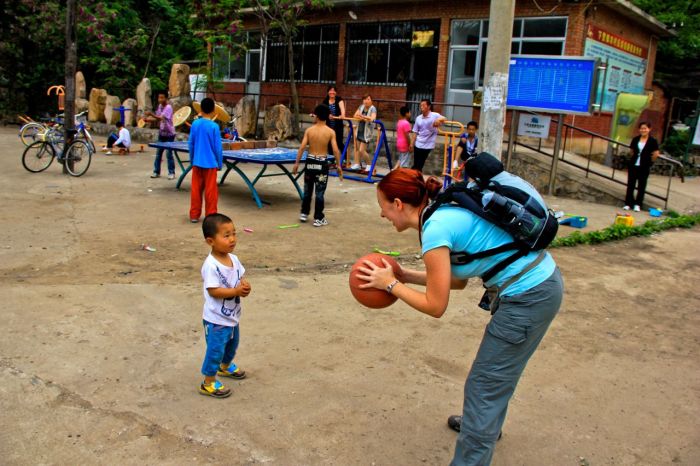
You will find the local people friendly, charming and inquisitive. We request you to maintain and follow the local customs. Sometimes handouts by trekkers have led to increased begging especially among village children, affecting their independent-spirited nature. As dental hygiene is a big problem no chocolate and sweets for the children, please. The leader/Escort can advise you if you are keen to help locally.
5. Money on the trek
You may want to buy drinks at wayside shops and souvenirs from the locals. Small change should be carried.
Tips
It is difficult to give precise amounts as it obviously varies by each country; however the suggested amount is normally USD 25 – USD 50 per challenger for challenges lasting up to a week. Tips are usually collected at the end of the challenge by the G4G rep and given to the ground handler rep for distribution to the concerned staff.
Staff On The Trip
One English-speaking Guide/Escort will be wholly responsible for the execution of the trip. There will also be a G4G representative leading the challenge.
The Ground Handler will provide
All transfers, daily meals & water, accommodations and park entry fees. All your gear will be transported each day to the night stop, except daily necessities carried in your own daypack.
General Matters
Your personal belongings will be looked after by our staff, so please help them by not leaving them unattended in public places. Accommodation on the trek will mostly be in 2 -3 star hotels, mountain hut and guest houses. On day 2 of the challenge, which is the day you start the ascent to the Bucegi plateau, you will not have access to your main luggage until you have come down from the mountain the next day.
Money on the Trek
You may want to buy drinks at wayside shops and souvenirs from the locals. Small change should be carried.
Tips
It is difficult to give precise amounts as it obviously varies by each country; however the suggested amount is normally USD 25-50 per challenger for challenges lasting up to a week. Tips are usually collected at the end of the challenge by the G4G rep and given to the ground handler rep for distribution to the concerned staff.
-
 G4G Leader: Tricia Evans
-
 Naila Al Mahmood
-
Sara Kazim
-
 Tim Searle
-
 Omar Al Sukkari
-
 Khaled Al Shaer
-
 Margaretha De Beer
-
 Jennifer Williams
-
 Tarek Bizri
-
 Roula Zainieh
-
 Girish Shivanand
-
 Abdulla Alkulaib
-
 Clinton Thornhill
-
 Polly Gotseva
-
 Shaheen Thundiyil
-
 Lene Affan
-
 Toufic Farah
-
 Bernd Luebcke
-
 David Howes
-
 Sereen Goussous
-
 Marinda Foster
-
Nabeel Khan
-
 Caroline Dredge
Funds raised by the Wild Wall Challenge 2012 will be used to complete an aqua therapy pool for the Bethel Foundation, a Beijing charity that provides foster care, education and training for visually impaired children in China.
The pool will provide Aqua Therapy for 60 visually impaired children living at the Love Is Blind Village plus swimming lessons for another 200 orphans from 4 orphanages in the vicinity.
Water is more gracious than air; it slows down movement and helps strengthen muscles and build coordination. Blind children often find it hard to understand how to move their bodies, making it difficult to learn to move or plan their movements. These children often kick their legs or hit themselves in inappropriate ways in an attempt to get the feedback they are missing.
Aqua therapy is perfect to address this problem. Learning to move in water is easier and the constant pressure helps with body awareness. It also aids with learning directional cues such as up/down. The water also provides a natural resistance aiding muscle development.
Water is a very good way for teachers and therapists to build trust with orphans. It is not a natural environment and most orphans do not swim. Through water, the orphans (blind and non blind) learn to build trust and how to bond with adults.
The pool will compliment other recreational facilities at the Village (eg. climbing wall, trampoline, etc)
For more information, please see our charity pages
How to pack: Your clothes and equipment should fall into two following categories:
1. What you are going to wear and need on the tour. This should fit into a single bag and will be transported each day from site to site
2. What you are going to carry in your daypack.
Carry an extra T-shirt in your daypack. When you stop trekking you may feel cold after sweating and need to change your shirt or add a layer to prevent chills.
What to bring: (tick as you collect!)
Bags
- A lockable, good sized duffle bag or suitcase with a top length zipper & name tag.
- A light, small and comfortable daypack, preferably waterproof, to carry all small personal items needed during the day (sunscreen, extra T-shirt/jersey, energy bars, light-weight waterproof jacket, camera, toilet paper, antibacterial wipes, etc and some small change to buy refreshments at wayside shops).
Footwear
- Several pairs of lightweight socks
- Several pairs of thicker socks for hiking
- 1 pair of hiking boots/shoes
- 1 pair lightweight trainers
- 1 pair of sandals/comfortable shoes to wear at night to suit hotel and camping terrain
Underwear
- Several pairs regular underwear
Outerwear
- Fleece or warm jacket for the evenings
- Light weight outer shell, wind/rain protection, with hood
- Lightweight sweater
- 1 tracksuit or similar
Pants
- Lightweight trekking trousers
- Respectable shorts
Shirts
- Cotton T-shirts or short sleeve shirts/blouses
- Long sleeve shirts, lightweight
Head
- Brimmed hat for sun and rain
Other
- A change of clothes for hotel nights
- Swim Shorts or Swimsuit
- Head lamp or flashlight, pocket sized
- Sunscreen, minimum 15 SPF
- Chap stick with sun block
- Sunglasses, and extra prescription lenses or contacts (very important)
- Personal wash bag (include wet wipes & a water free ‘hand wash’)
- Prescription medication
- 2 water bottles, 1 litre size.
Optional
- Snacks for the daypack
- Camera, still and/or video and film
- Reading material
You can also purchase all your trekking gear through the REI banner on the Gulf For Good website www.gulf4good.org
(G4G gets a small commission)
Thoughts and ideas:
- Be kind to your feet! If you plan on purchasing new hiking boots do so well ahead of time and allow yourself time to break them in. Bring some extra moleskin or Second Skin (Compeed) for fast foot treatment, plus tape and watch out for blisters.
- A very good way to minimize the risk of blisters is to wear a thin liner sock under your regular thicker hiking socks. The liner sock should be made of a non-absorbent, wicking material, absolutely no cotton. Test your sock combination before you go on the trip.
- Cotton is wonderful in warm weather, but once it becomes wet it drains your body heat. Plan on bringing at least one synthetic shirt that dries quickly.
- Stuff sacks are great for sorting your gear. Use different sizes and colours to differentiate the contents. Plastic bags are also helpful to separate clean and dirty clothing.
- If you normally wear contacts, bring a pair of glasses in case of eye irritation from dust.
- Some of the trails can be rutted and dusty. It is a good idea to pack camera equipment and binoculars in plastic bags to protect them from the dust. This is in addition to their normal cases. Also bring some lens cleaning material.
- Laundry is difficult on this trip but you can hand-wash a few quick-drying items.
- Make 1 copy of your passport and take it with you; we will have a second copy in our files.
Compulsory
- A good attitude and a sense of humour!
Miscellaneous Information
China is 4 hours ahead of the UAE.
Take US$ in cash to change.
USD 1 = 6.46 CNY (China Yuan Renminbi).
A good reference book is the China edition of the Lonely Planet publications, available in Dubai from Magrudy’s or other leading bookstores. We have a copy in the office – for reference, not for borrowing!